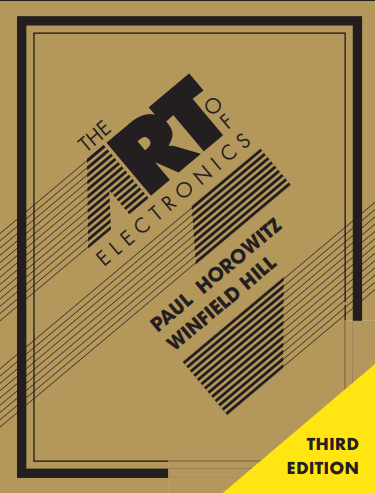
If you are passionate about electronics, there is one book that consistently stands above the rest: The Art of Electronics. Written by Paul Horowitz and Winfield Hill, this legendary textbook has become one of the most respected and widely recommended resources for students, hobbyists, researchers, and professional engineers worldwide.
Unlike many academic textbooks that focus heavily on mathematical theory, The Art of Electronics emphasizes practical design and real-world engineering. The authors explain not only how electronic components work but also how to use them effectively when designing reliable circuits. This practical approach has made the book a favorite among engineers working in laboratories, universities, and industry.
The book covers an impressive range of topics, including analog electronics, digital logic, operational amplifiers, transistors, power supplies, oscillators, filters, microcontrollers, signal processing, and measurement techniques. Every chapter is filled with examples, design tips, and engineering insights gathered from decades of professional experience.
One of the reasons this book remains so popular is its ability to bridge the gap between theory and practice. Instead of simply presenting formulas, the authors discuss why certain design choices succeed while others fail. Readers learn how to avoid common mistakes, improve circuit performance, and think like experienced engineers.
Another remarkable feature is its accessibility. Whether you are an undergraduate student beginning your journey in electronics or an experienced engineer looking to refresh your knowledge, The Art of Electronics offers valuable lessons at every level. Many universities around the world recommend it as supplementary reading because of its clear explanations and practical perspective.
Even after several decades, the latest editions continue to incorporate modern electronic components and updated design practices, ensuring that readers stay current with today’s technology. As a result, it remains one of the best long-term investments for anyone serious about electronics.
If you could own only one electronics reference book, many professionals would recommend The Art of Electronics. Its combination of technical depth, practical wisdom, and engaging writing style has earned it a reputation as one of the greatest engineering books ever published.
Whether your goal is to design embedded systems, build laboratory instruments, repair electronic equipment, or simply deepen your understanding of circuits, this book deserves a place on your bookshelf. It is more than just a textbook—it is a comprehensive guide that continues to inspire generations of engineers around the world.
Download Book Here